Introduction
In today's fast-paced workplace, guaranteeing the security and wellness of staff members is extremely important. Among the critical elements of workplace safety is the stipulation of Automated External Defibrillators (AEDs). These lifesaving gadgets are crucial for replying to unexpected cardiac arrests, which can occur in any kind of setup, including offices. This thorough overview will certainly explore the Workplace AED Requirements in Australia, highlighting what every company requires to know about executing and keeping AEDs.
Workplace AED Demands in Australia: What Every Employer Demands to Know
Understanding the lawful and practical needs surrounding AEDs is important for all employers in Australia. The Australian Resuscitation Council emphasizes that having an AED on-site can significantly increase survival rates throughout cardiac emergency situations. Employers should familiarize themselves with their responsibilities under pertinent regulations, consisting of the Job Health and wellness Act 2011.
The Importance of Having an AED in Your Workplace
Every second counts when it pertains to a heart emergency situation. An AED can be the difference between life and fatality. According to studies, early defibrillation improves survival rates by as much as 70%. This underscores why it's not simply a good concept-- it's a necessity.
Understanding Automated External Defibrillator Explained Australia
An Automated External Defibrillator (AED) is a mobile tool that inspects heart rhythm and can send an electric shock to the heart if required. The gadget overviews customers via the procedure with voice prompts and visual instructions, making it useful also for individuals without medical training.
How to Make use of an AED Detailed Australia
Using an AED involves a number of essential steps:
Assess Responsiveness: Examine if the individual is responsive. Call for Help: Dial emergency solutions immediately. Retrieve the AED: Get the nearest AED. Attach Pads: Follow diagrams on pads for correct placement. Analyze Heart Rhythm: The tool will evaluate whether a shock is needed. Deliver Shock if Necessary: Make certain no one is touching the person prior to pressing the shock button. Continue CPR: After delivering a shock, proceed mouth-to-mouth resuscitation up until emergency situation solutions arrive.AED and CPR Together Australia
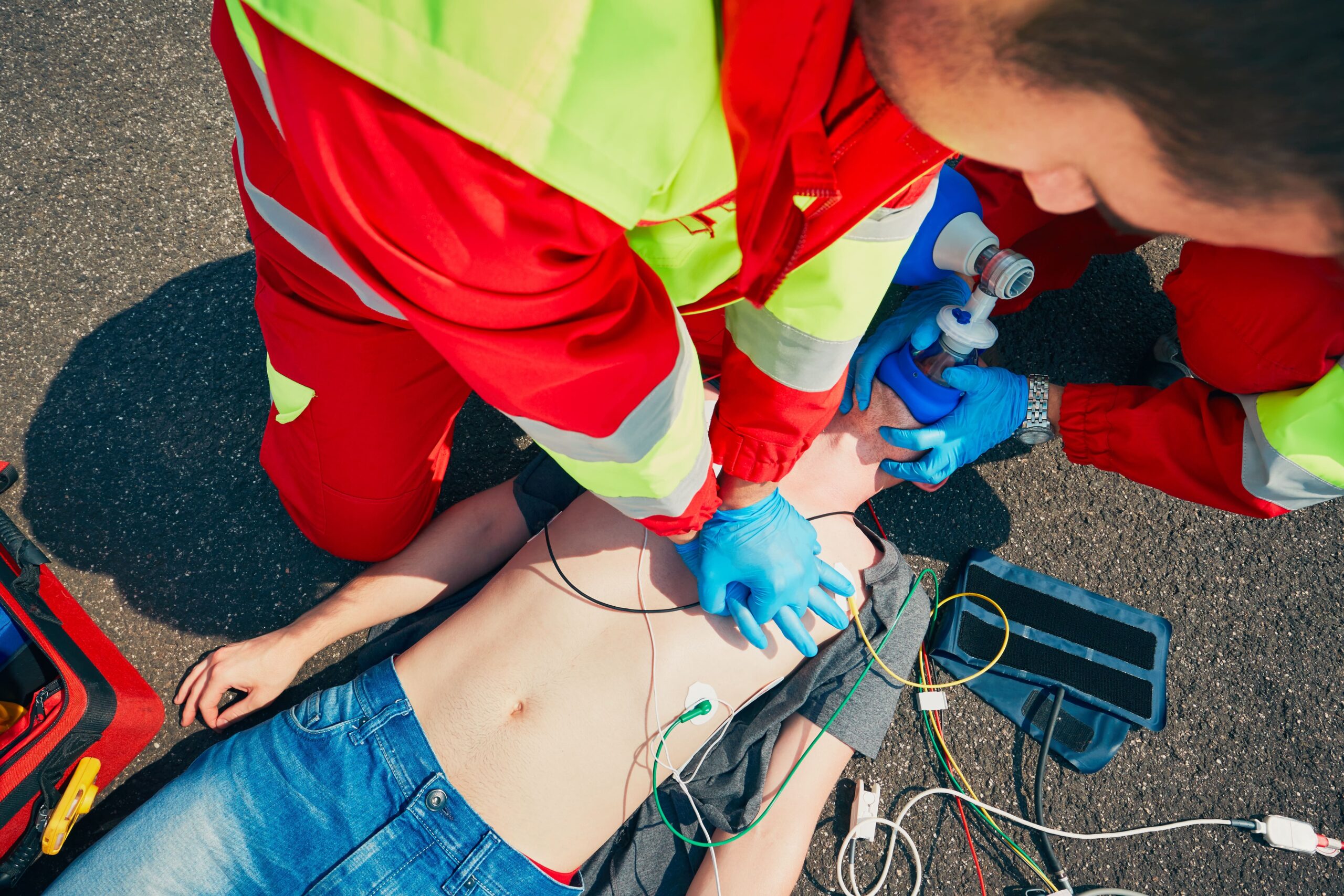
Combining mouth-to-mouth resuscitation with an AED enhances survival possibilities dramatically. While waiting on a rescue, executing mouth-to-mouth resuscitation keeps blood distributing, increasing oxygen supply to crucial organs up until defibrillation can occur.
AED Usage on Kid Australia
When making use of an AED on youngsters, unique pediatric pads are normally required. Several modern-day devices come outfitted with child-specific setups that readjust power degrees based upon age or weight criteria.
AED Battery Upkeep Australia
Maintaining your AED consists of examining battery condition consistently, changing batteries according to supplier standards, and making sure pads are not expired or damaged.

Workplace AED Requirements Australia
Employers have to ensure that:
- An appropriate number of AEDs are offered based upon workplace dimension and location. Employees have accessibility to training for using the device. Regular upkeep checks are carried out according to manufacturer recommendations.
Public AED Locations Australia
Many public areas currently include easily accessible AEDs; understanding where these locations are can save lives outside of office setups as well. Local councils commonly preserve data sources of these locations.
Defibrillator Training Courses Australia
Training courses supply vital understanding concerning using defibrillators effectively along with mouth-to-mouth resuscitation strategies. Organizations like St John Rescue offer qualifications that outfit workers with lifesaving skills.

Defibrillator Regulations Australia
Legislation surrounding defibrillators varies by state but normally mandates particular offices, such as health clubs or aged treatment centers, to have AEDs easily offered for usage throughout emergencies.
Choosing Right AED Australia
Selecting an appropriate design depends on factors such as:
- Intended use (workplace vs commercial) User-friendliness Availability of pediatric options
Identifying Prospective Disasters in Your Workplace
Employers ought to perform threat analyses routinely to recognize possible medical emergency situations distinct to their atmosphere-- this might consist of examining worker health threats or environmental threats influencing emergency situation response protocols.
FAQs
1. What is an Automated External Defibrillator?
An Automated External Defibrillator (AED) is a mobile device designed to treat people experiencing sudden heart attack by providing an electric shock that helps restore regular heart rhythm.
2. Exist legal needs for having an AED in my workplace?
Yes, while certain legislation might differ by state or territory, lots of areas need offices-- especially those considered risky-- to have access to automated external defibrillators as part of their first aid provisions.
3. Just how usually need to I check my work environment's AED?
It's advisable to check your workplace's AED at the read more very least when a month and after each usage, guaranteeing that batteries are Salisbury First Aid Course Near Me useful and pads are within expiration dates.
4. Can anybody use an AED?
Yes! Modern devices are made for laypeople and provide step-by-step audio instructions; nevertheless, official training is suggested for ideal preparedness throughout emergencies.
5. What is consisted of in defibrillator training courses?
Courses normally cover just how to operate an AED securely, execute mouth-to-mouth resuscitation properly, acknowledge indications of cardiac arrest, and respond suitably during clinical emergencies.
6. Where can I locate public access defibrillators?
Public access defibrillators can be found in different areas such as shopping centers, airport terminals, institutions, sporting venues, and community centers; local authorities usually keep maps showing these locations.
Conclusion
Ensuring work environment safety and security includes more than just conformity; it's about fostering a culture of preparedness among employees concerning health and wellness emergency situations such as cardiac arrests. Carrying out effective policies around Automated External Defibrillators (AEDs) not only improves your duty of treatment but additionally shows dedication toward worker welfare-- a win-win situation!
In summary, understanding the crucial parts surrounding work environment AED requirements in Australia gears up companies with understanding needed for producing much safer environments conducive to both efficiency and wellness amongst personnel-- because at the end of the day? Everybody is worthy of satisfaction recognizing they're made sure of!